Cold brew coffee looks fancy, but once you make it once, it becomes one of those “why didn’t I do this sooner” habits.
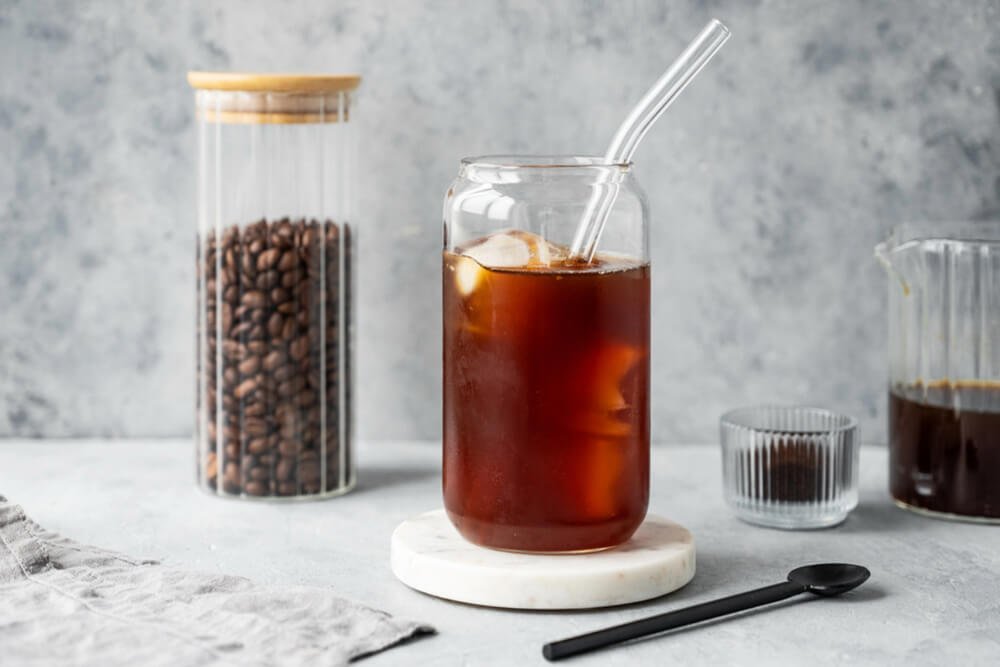
I started making cold brew at home after realizing I was never fully happy with iced coffee. It was either too bitter, too watery, or tasted burnt the moment the ice melted. Cold brew solves all of that.
Instead of hot water pulling flavor fast and aggressively, cold brew extracts coffee slowly.
That slower process means less acidity, less bitterness, and a smoother body that still tastes strong. It’s customizable and perfect for busy days because once it’s made, your coffee is ready all week.
This guide walks through exactly how to make cold brew coffee at home, why each step matters, how to store it correctly, common mistakes to avoid, and tips that make a noticeable difference in flavor.
What Exactly Is Cold Brew Coffee?
Cold brew is coffee brewed with cold or room-temperature water over a long period of time, usually 12–24 hours.
It’s not iced coffee. Iced coffee is hot coffee poured over ice. Cold brew never sees heat at all.
Because of that, cold brew:
- Has lower acidity
- Tastes smoother
- Keeps longer in the fridge
- Works as a concentrate or ready-to-drink coffee
Ingredients and Tools You’ll Need for Cold Brew Coffee
You don’t need a special cold brew maker. I’ve made this recipe with a mason jar more times than I can count.
You only need two ingredients for cold brew coffee:
- Coarsely ground coffee
- Cold or room-temperature filtered water
Tools:
- Large jar or pitcher
- Spoon
- Fine mesh strainer or cheesecloth
- Optional: coffee grinder
How to Make Cold Brew Coffee at Home
Step 1: Grind the Coffee Beans
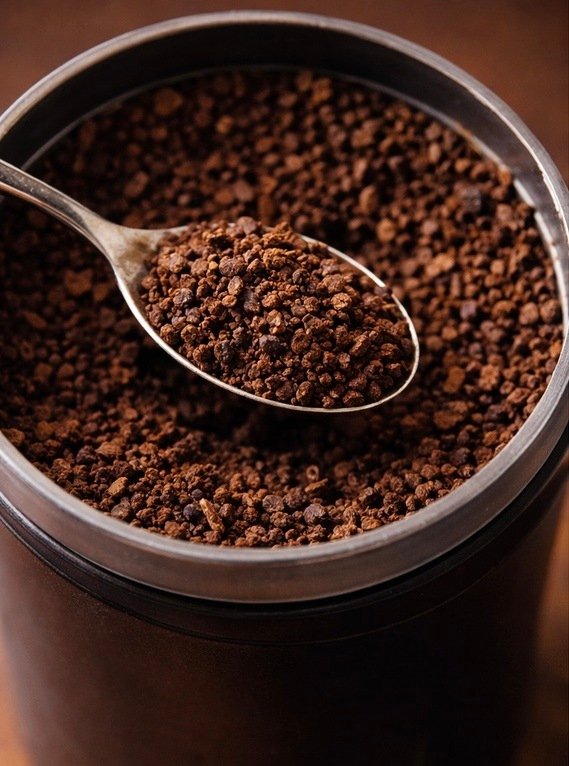
Cold brew needs a coarse grind. Think raw sugar or sea salt. Fine grounds over-extract during long steeping and lead to bitterness and sludge at the bottom of your cup.
If you’re grinding at home, use the coarsest setting. If buying pre-ground coffee, look for “French press grind” or “coarse.”
If you don’t have a coffee grinder, this is the pre-ground coffee I used and liked for cold brew.
Coffee tips for cold brew:
- Medium or dark roast works best
- Chocolate, nutty, and caramel notes shine
- Light roasts can taste sharp when cold-brewed
Step 2: Add Coffee to Your Jar or Pitcher
For a classic cold brew concentrate, use:
- 1 cup coarsely ground coffee
- 4 cups water
This makes a strong base you dilute later.
If you prefer ready-to-drink cold brew, use 1 cup of of coffee to 6–8 cups water instead.
Pour the grounds directly into your container. No filters yet.
Step 3: Pour in Cold Water and Stir
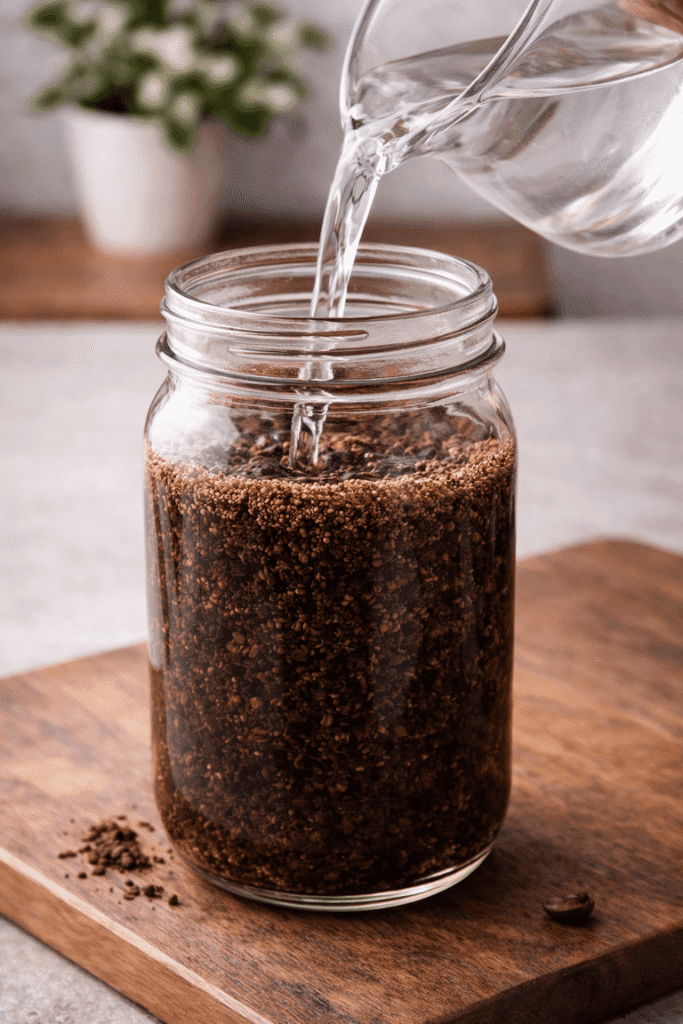
Slowly pour cold or room-temperature water over the grounds. Make sure all the coffee gets saturated. Dry pockets lead to weak extraction.
Give it a gentle stir. You’re not mixing batter, just making sure everything is combined.
Water tip: Filtered water makes a noticeable difference since cold brew highlights flavors instead of hiding them.
Step 4: Cover and Steep
Cover the jar or pitcher and let it steep for 12 to 24 hours.
Steeping guide
- 12 hours → lighter, smoother
- 16–18 hours → balanced and rich
- 24 hours → very strong, sometimes flat
I usually stop around 16–18 hours. Longer isn’t always better with cold brew.
Step 5: Strain the Cold Brew Properly
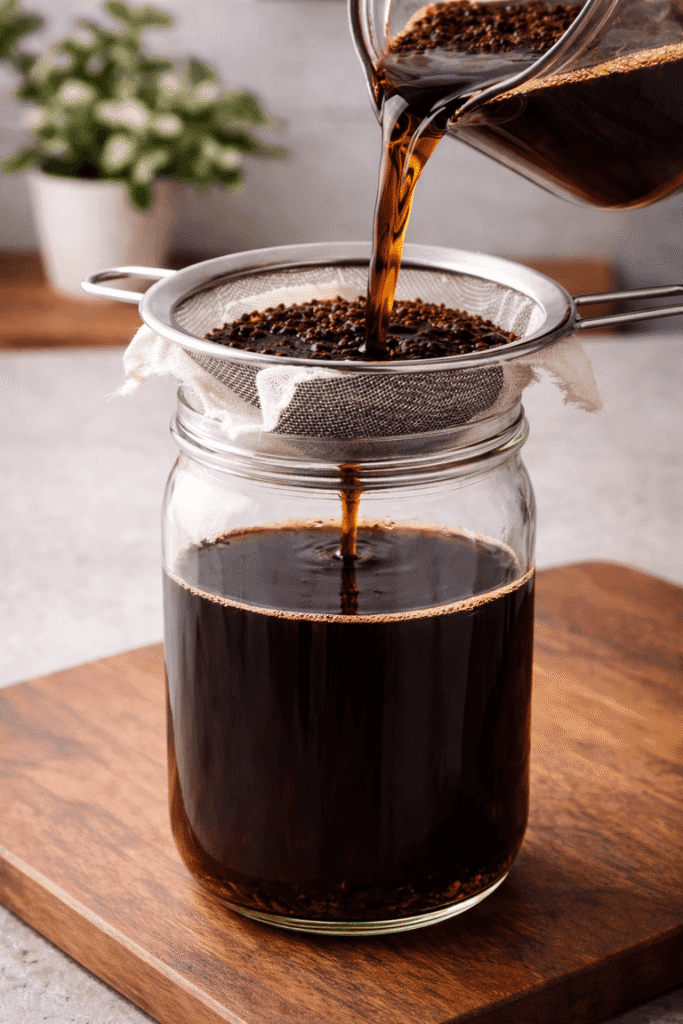
Place a fine mesh strainer over a clean jar or bowl and slowly pour the coffee through it.
For extra clarity, strain again or line the strainer with cheesecloth.
Important: Do not press or squeeze the grounds. That releases bitterness and fine sediment.
Once strained, discard the used coffee grounds.
Step 6: Dilute and Serve
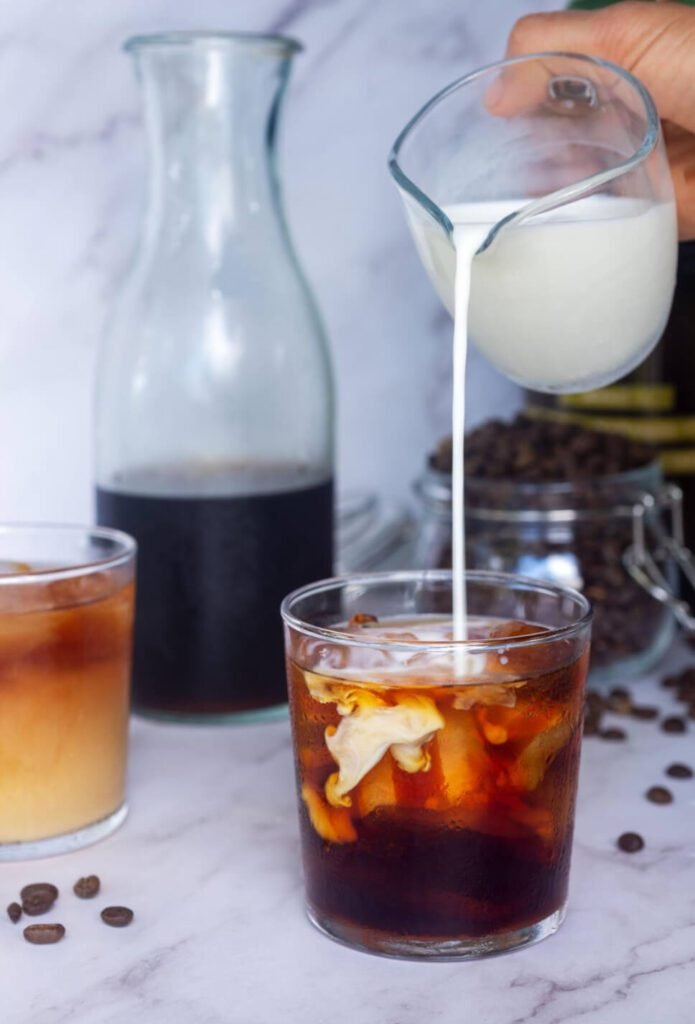
Cold brew concentrate is meant to be diluted.
Common ratios
- 1:1 cold brew to water
- 1:1 cold brew to milk
- 2:1 cold brew to milk for creamier drinks
Serve over ice and adjust from there.
How to Store Cold Brew Coffee
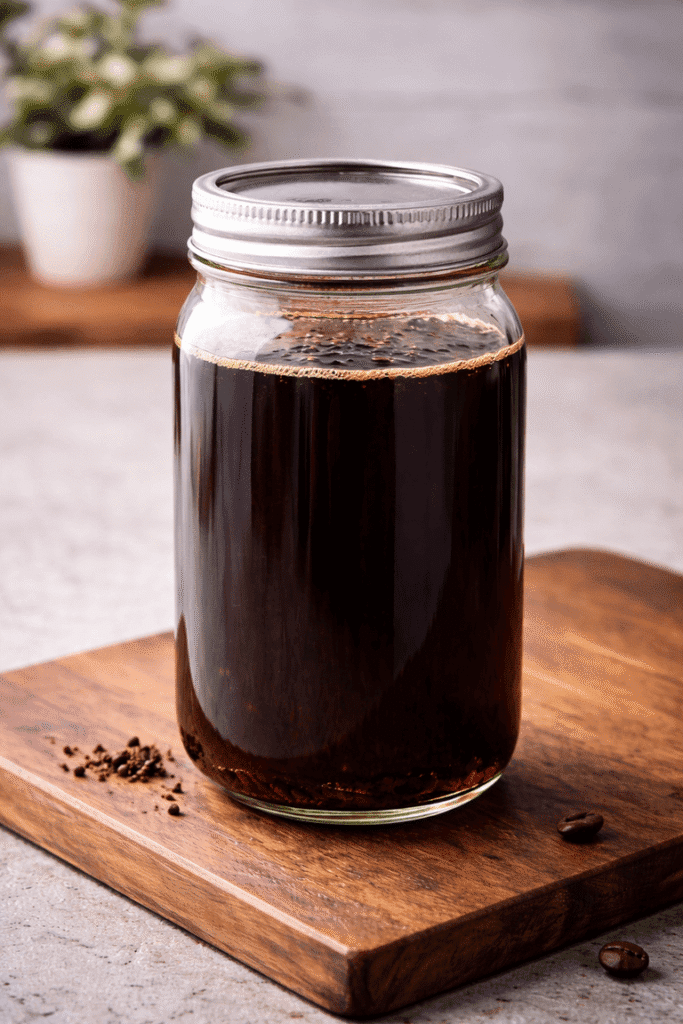
Proper storage makes the difference between great cold brew all week and coffee that tastes off after two days.
Best Containers:
- Glass jars or bottles with tight lids
- Avoid plastic (absorbs odors)
- Avoid open pitchers
Storage Time:
- Concentrate: up to 7 days refrigerated
- Diluted cold brew: 3–4 days
- With milk added: drink within 24 hours
Storage Tips:
- Always store cold brew fully strained
- Keep it sealed to avoid fridge odors
- Don’t leave it at room temperature after brewing
- Shake gently before using
If your cold brew tastes sour or flat, it’s past its prime.
Common Cold Brew Mistakes
These are the most common reasons cold brew doesn’t taste good.
Using Fine Coffee Grounds: This causes bitterness and cloudy coffee.
Steeping Too Long: More time doesn’t always mean better flavor.
Pressing the Grounds While Straining: This releases harsh compounds.
Wrong Coffee-to-Water Ratio: Too little coffee tastes weak. Too much tastes muddy.
Storing in Plastic or Open Containers: Cold brew absorbs flavors easily.

Tips and Tricks for Better Cold Brew
Here are some tips for the best cold brew coffee:
- Use fresh coffee beans
- Stick to medium or dark roasts
- Filtered water improves flavor
- Don’t rush steeping
- Strain twice for clean taste
- Make concentrate and dilute later
- Keep a dedicated cold brew jar
Cold Brew Variations to Try
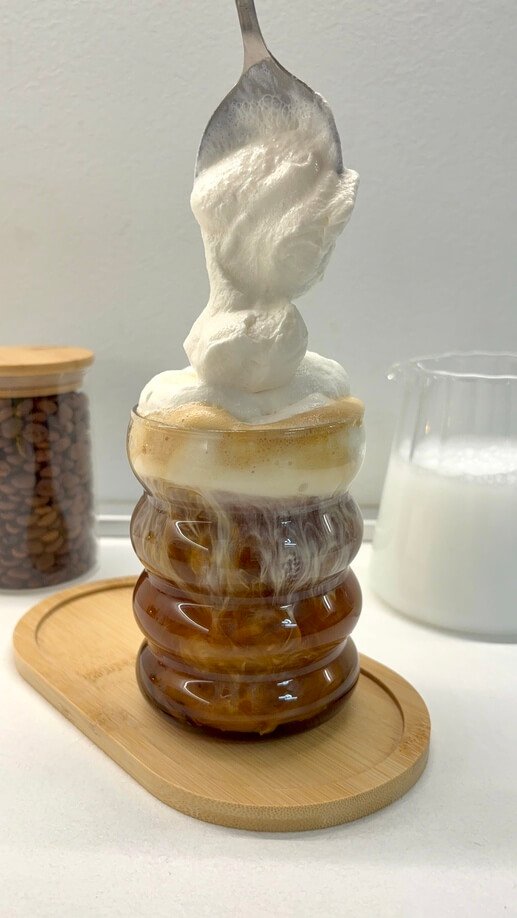
Once you have the base, you can turn it into:
- Vanilla sweet cream cold brew
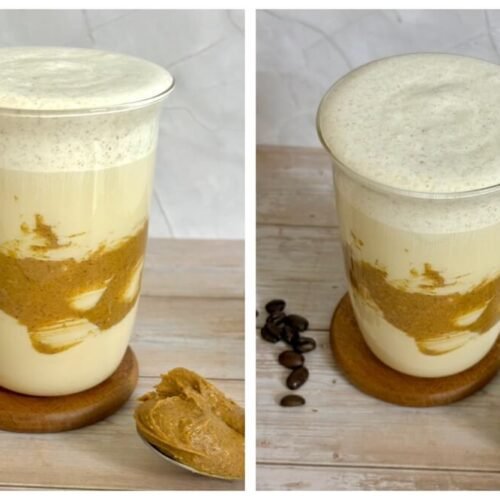
- Pistachio cream cold brew
- Chocolate cold brew
- Protein cold brew
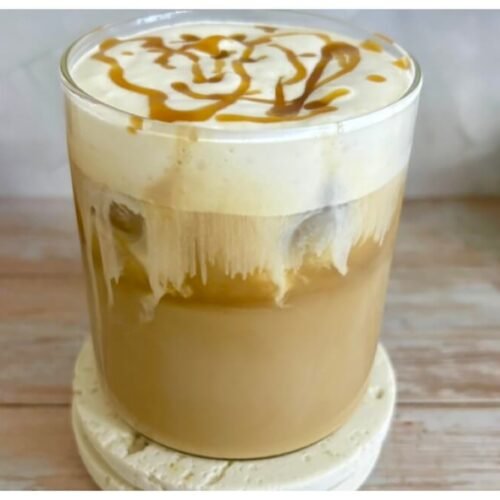
- Caramel cold brew
Cold brew is a foundation, not just one drink.

Cold Brew Coffee Recipe
Ingredients
- 1 cup coarsely ground coffee
- 4 cups cold filtered water
Instructions
- Add coffee grounds to a large jar or pitcher.
- Pour cold water over the grounds.
- Stir gently to combine.
- Cover and steep for 12–24 hours.
- Strain through a fine mesh strainer or cheesecloh.
- Dilute with water or milk before serving.
Notes
- Use coarse coffee grounds only.
- Adjust steep time for strength.
- Store in glass for best flavor.


Marina is the writer behind CozyCornerCharm. She grew up on Turkish coffee, later discovering specialty brewing through her first V60, which inspired her ongoing coffee journey. She has written for Craft Coffee Spot, Home Grounds, and Barista HQ and now shares her experience here on her own coffee corner.

[…] a glass with ice and add your chosen coffee drink. Cold brew is an excellent base because its smooth flavor allows the toasted marshmallow notes to stand […]