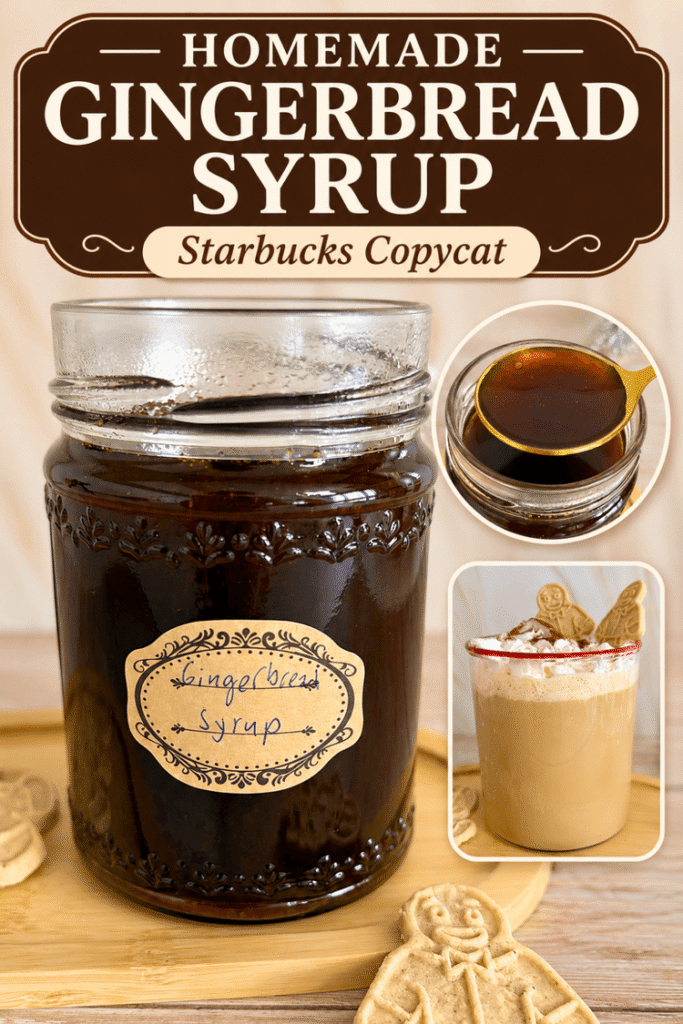
Homemade gingerbread syrup turns coffee into a holiday drink with brown sugar, molasses, ginger, cinnamon, nutmeg, and cloves.
It has the warm flavor of gingerbread cookies, but it takes a few minutes to prepare on the stove.
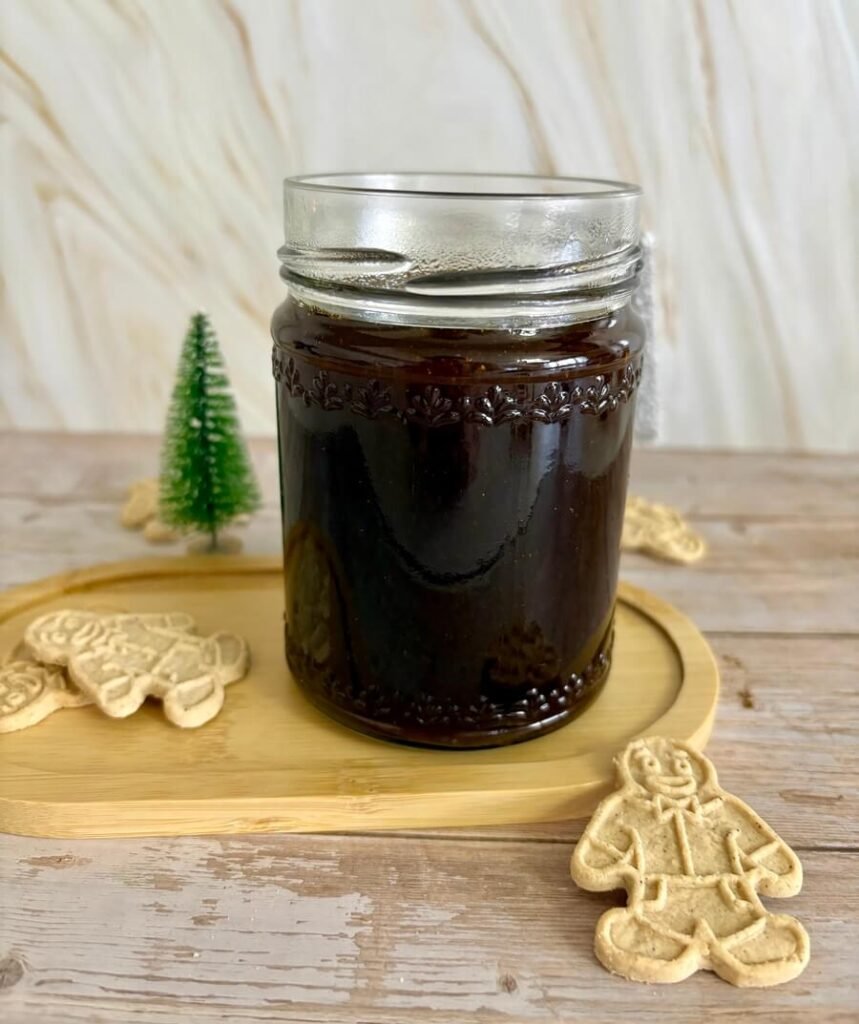
I’ll show you how to make the syrup smooth and strong enough to flavor a latte without overpowering the coffee. You can add it to hot or iced drinks, stir it into cold brew, blend it into a Frappuccino, or use it to sweeten cold foam.
The recipe makes about one cup, so you can keep a bottle in the refrigerator and make seasonal drinks throughout the week.
Why You’ll Love This Gingerbread Coffee Syrup
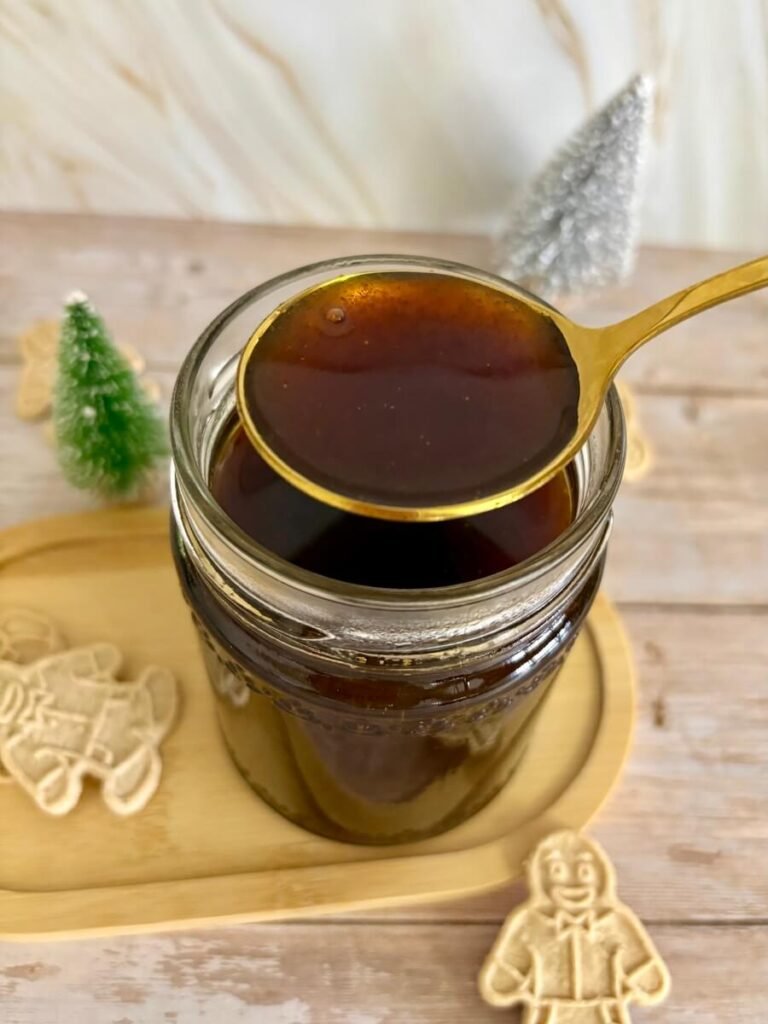
Making gingerbread syrup at home gives you full control over the sweetness and spice.
Bottled versions can taste mostly like sugar, while this recipe combines several warm spices with brown sugar and molasses for a fuller gingerbread flavor.
The syrup is sweet enough to stand out in coffee but not so heavy that it covers the espresso.
It’s also much more versatile than a single seasonal drink. Keep it in the refrigerator and you can make a gingerbread latte in the morning, add a splash to cold brew in the afternoon, or mix it into cold foam for a holiday topping.
Since the recipe uses common pantry ingredients, there is no need to buy a long list of specialty products.
The syrup comes together in one small saucepan and does not require a candy thermometer. Once the sugar dissolves and the mixture has simmered briefly, it is ready to cool and bottle.
Ingredients You’ll Need
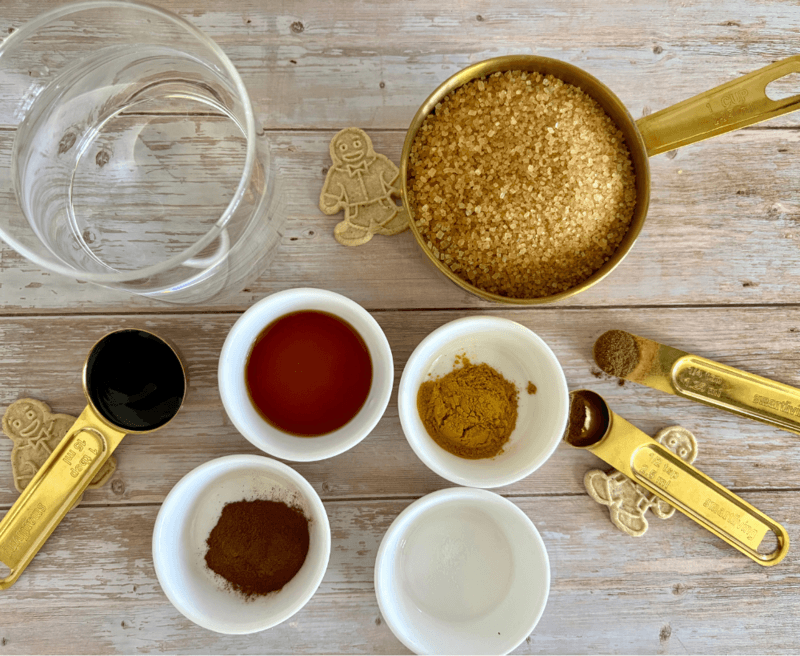
Brown sugar
Brown sugar creates a deeper, warmer sweetness than granulated sugar. Its mild caramel flavor works especially well with gingerbread spices and helps the finished syrup taste richer.
Light brown sugar gives the syrup a balanced flavor, while dark brown sugar produces a more intense molasses note.
Either one works, but I usually recommend light brown sugar so the added molasses doesn’t become too strong.
Water
Water dissolves the sugar and gives the syrup a pourable consistency.
Use equal amounts of water and brown sugar for a syrup that mixes easily into both hot and iced coffee.
Molasses
Molasses is the ingredient that gives gingerbread its recognizable dark, slightly smoky sweetness.
Use regular unsulphured molasses rather than blackstrap molasses. Blackstrap is much more bitter and can make the syrup taste harsh.
One tablespoon is enough to deepen the flavor without taking over the spices.
Ground ginger
Ground ginger adds the warm bite associated with gingerbread.
One teaspoon creates a noticeable but approachable ginger flavor. If you prefer a spicier syrup, increase it to 1 1/4 teaspoons.
Cinnamon, nutmeg, and cloves
Cinnamon adds warmth and sweetness, nutmeg gives the syrup a rounder holiday flavor, and cloves add depth.
Cloves are powerful, so a small amount is all you need. Too much can make the syrup taste medicinal.
Vanilla extract and salt
Vanilla softens the sharper spice notes and makes the syrup taste more like a baked gingerbread cookie. A small pinch of salt balances the sugar and brings the different flavors together.
Add the vanilla after removing the saucepan from the heat so its flavor stays fresh.
How to Make Gingerbread Syrup
Combine the sugar, water, and molasses
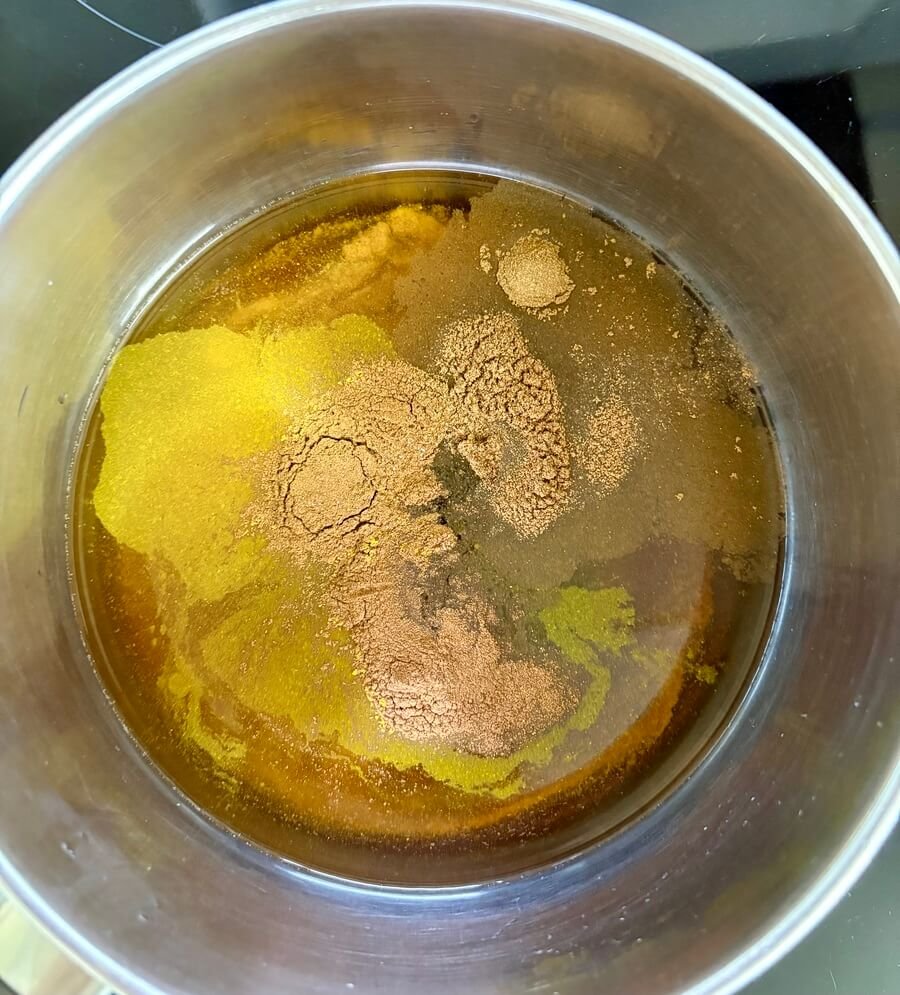
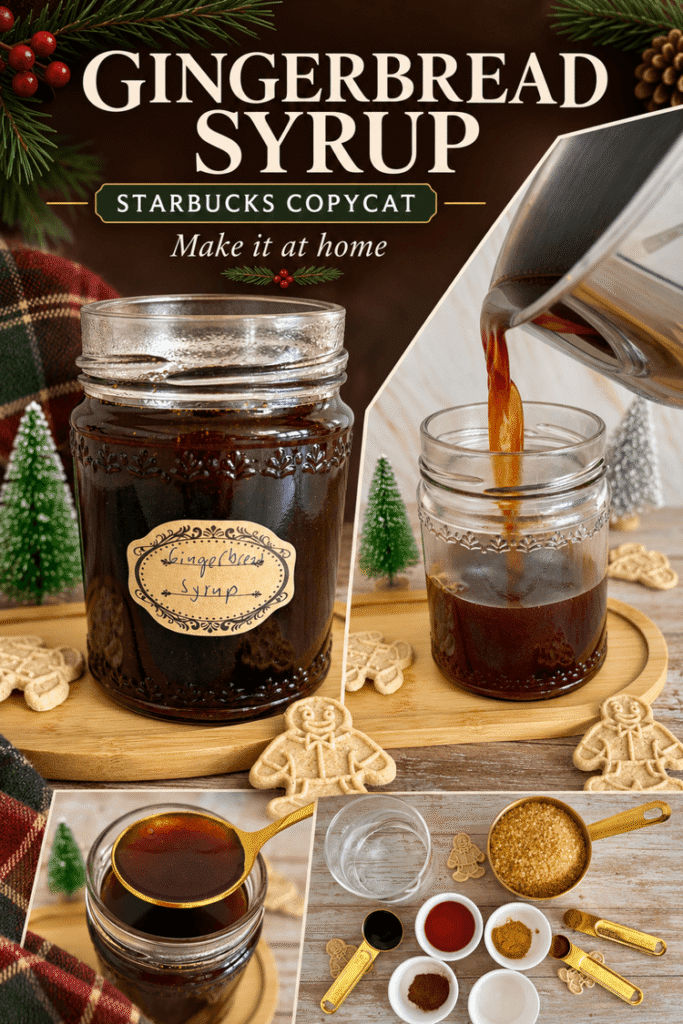
Add the brown sugar, water, molasses, ground ginger, cinnamon, nutmeg, cloves, and salt to a small saucepan. Whisk everything together before turning on the heat.
The ground spices will float at first, but they will disperse more evenly as the mixture warms.
Place the saucepan over medium heat and stir frequently. Continue heating until the sugar has completely dissolved and the syrup begins to steam.
Scrape around the edges and across the bottom of the pan so no sugar crystals remain.
Simmer the syrup gently
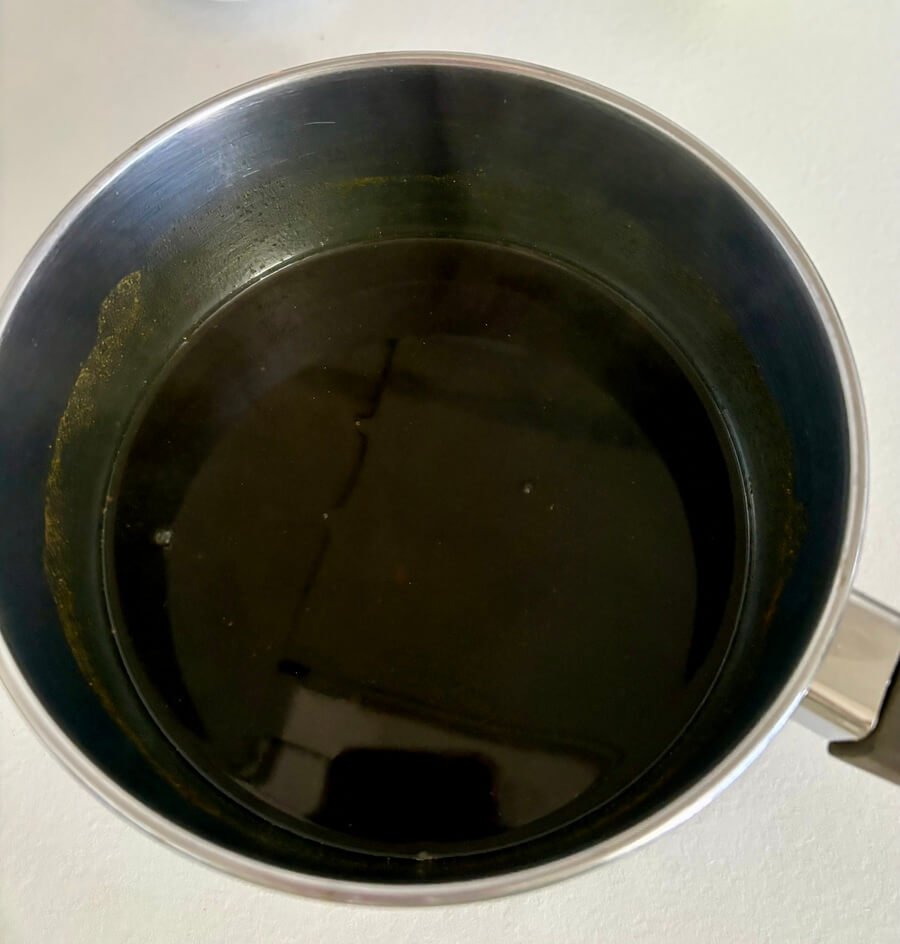
Once the mixture reaches a gentle simmer, reduce the heat to medium-low. Let it simmer for 8 to 10 minutes, stirring occasionally. You want to see small, steady bubbles rather than a rapid boil.
The syrup will still look fairly thin while it is hot. Avoid cooking it until it looks as thick as pancake syrup because it will continue to thicken as it cools.
Boiling it too aggressively can also make it overly concentrated or cause sugar crystals to form later.
Add the vanilla and cool
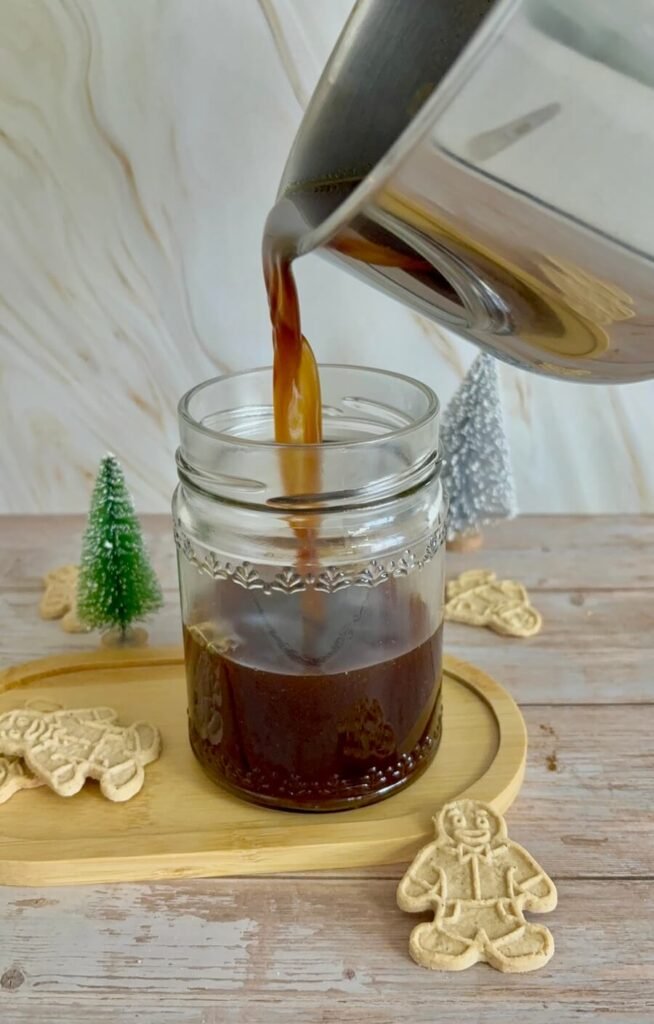
Remove the saucepan from the heat and stir in the vanilla extract. Let the syrup cool in the pan for about 15 minutes. As it rests, the spices settle slightly and the texture becomes more syrupy.
For a very smooth syrup, pour it through a fine-mesh strainer before transferring it to a bottle. Ground spices don’t dissolve completely, so a small amount of sediment is normal.
Straining removes most of it, although you can skip this step if you do not mind shaking the bottle before use.
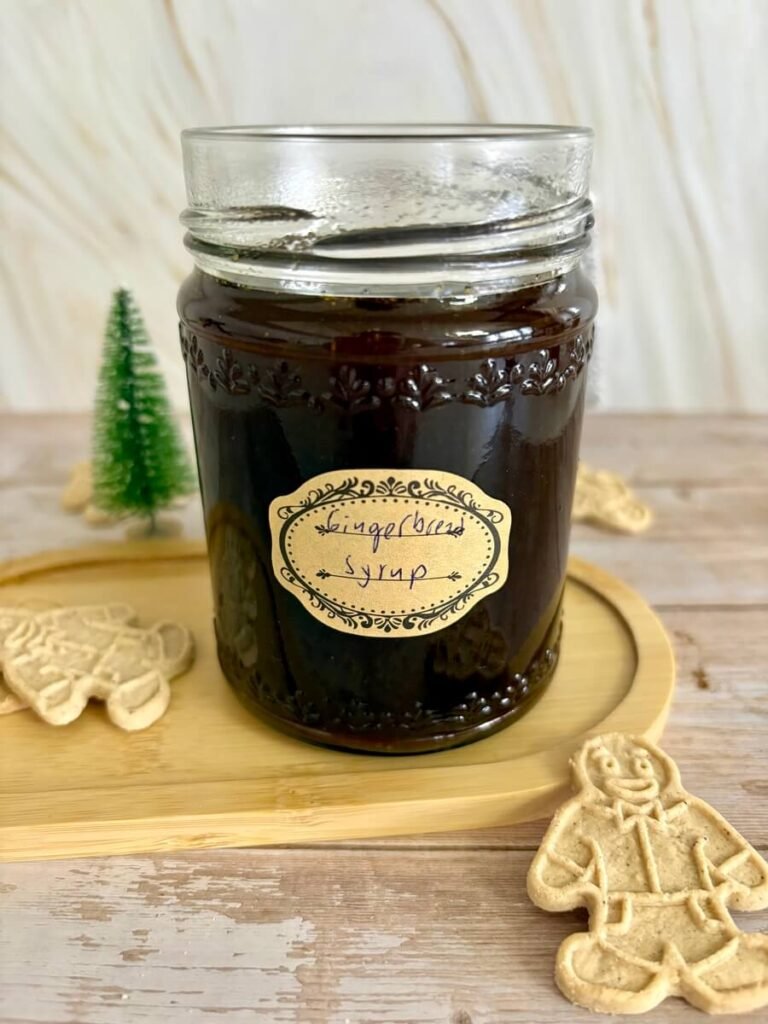
Transfer the cooled syrup to a clean glass jar or bottle with a tight-fitting lid. Refrigerate it once it has reached room temperature.
Getting the Flavor and Consistency Right
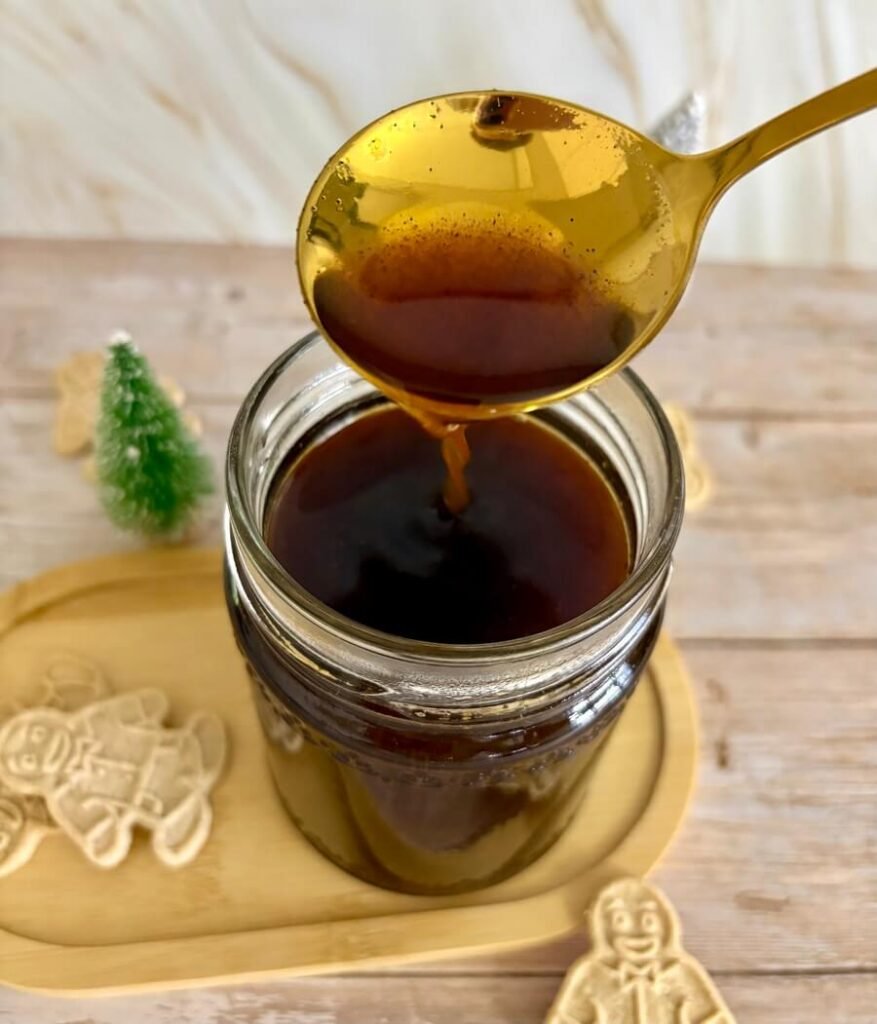
The finished syrup should pour easily from a bottle but still lightly coat a spoon after it cools.
If it becomes thicker than you prefer, stir in one tablespoon of warm water at a time until it reaches the right consistency. If it seems thin after cooling completely, return it to the saucepan and simmer it for another two or three minutes.
Remember that the syrup will taste strong on its own. It is designed to be diluted with espresso, coffee, and milk. Before changing the spice amounts, test one or two tablespoons in a finished drink.
The ginger and cloves become softer once milk is added, while the brown sugar and molasses blend with the roasted flavor of coffee.
For a bolder gingerbread flavor, increase the ginger slightly rather than adding more cloves. For a lighter syrup, reduce the molasses to two teaspoons.
I wouldn’t omit it entirely because it provides the baked-cookie depth that separates gingerbread syrup from a basic cinnamon syrup.
How Much Syrup to Add to Coffee
Start with one tablespoon of gingerbread syrup in an 8-ounce drink or two tablespoons in a 12- to 16-ounce drink. Taste the coffee after adding the milk and ice, then add more syrup if needed.
Iced drinks often need a little more sweetener because cold temperatures soften the perception of sweetness.
For a homemade gingerbread latte, stir the syrup directly into hot espresso before adding milk. This helps it blend evenly.
When making iced coffee or cold brew, add the syrup to the coffee before the ice. You can also shake the coffee and syrup together for several seconds to distribute the spices.
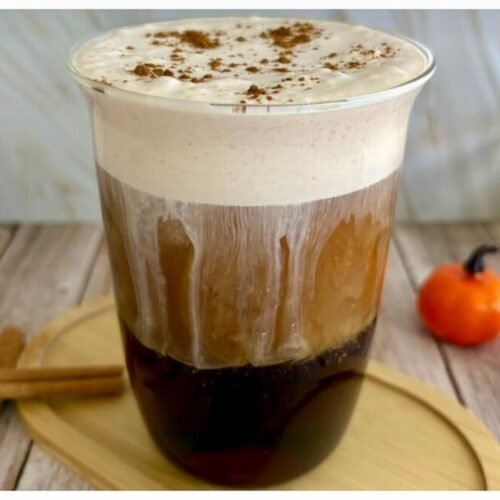
If you are using the syrup in cold foam, begin with one tablespoon for every 1/4 cup of foam base.
The concentrated flavor works especially well with vanilla sweet cream cold foam, but you can also mix it into dairy-free cold foam made with oat milk and plant-based cream.
Drinks and Treats to Make With Gingerbread Syrup
Gingerbread syrup is most closely associated with lattes, but it works in many coffee drinks. Use it in hot coffee, iced coffee, cold brew, shaken espresso, cappuccino, or a blended coffee drink.
It pairs well with vanilla, caramel, white chocolate, maple, and toasted marshmallow flavors.
You can also add it to chai for an extra-spiced holiday drink or mix a small amount into hot chocolate. For a gingerbread matcha, start with less syrup so the molasses does not cover the earthy matcha flavor.
Outside of drinks, drizzle the syrup over pancakes, waffles, oatmeal, French toast, or vanilla ice cream. It can also sweeten whipped cream or be brushed over cake layers.
Since the consistency is thinner than dessert sauce, it soaks into baked goods easily.
Easy Variations
For a stronger ginger syrup, increase the ground ginger to 1 1/4 teaspoons. You can also add a few thin slices of fresh ginger while the syrup simmers, then strain them out before bottling.
For a vanilla gingerbread syrup, use two teaspoons of vanilla extract instead of one. This makes the spices taste softer and works particularly well in milky lattes.
For a sugar-free version, use a brown sugar replacement intended for cooking and syrups. The exact texture will depend on the sweetener, and some alternatives may crystallize after refrigeration.
Follow the substitution ratio on the package rather than assuming it will measure exactly like brown sugar.
For a lighter molasses flavor, reduce the molasses to two teaspoons. The syrup will be slightly paler and milder, but it will still have a clear gingerbread taste.
Common Syrup Problems
If the syrup tastes bitter, it may have boiled too rapidly, cooked too long, or been made with blackstrap molasses. Gentle simmering and regular unsulphured molasses will give you a smoother flavor.
If the spices collect at the bottom of the bottle, that doesn’t mean the syrup has gone bad. Ground cinnamon and ginger don’t fully dissolve in water. Strain the syrup through a very fine mesh strainer and shake the bottle before each use.
If sugar crystals form along the sides of the saucepan, avoid scraping them back into the mixture once the syrup begins simmering. A clean, damp pastry brush can be used to wash crystals from the sides of the pan. Keeping the heat moderate also helps.
If the syrup is too spicy, don’t dilute the whole batch immediately. Try using a smaller amount in your drink and add plain vanilla syrup or another sweetener if more sweetness is needed. You can dilute the batch with a small amount of simple syrup if the spice still feels too strong.
Storage and Shelf Life
Store homemade gingerbread syrup in a clean, airtight bottle or jar in the refrigerator for up to two weeks. Always use a clean spoon or pour directly from the bottle to reduce the chance of introducing bacteria.
Give the container a quick shake before using the syrup because some spice sediment may settle at the bottom. Discard it if you notice mold, bubbling, an unusual odor, or a major change in appearance.
You can freeze the syrup in an ice cube tray if you won’t use it within two weeks. Once frozen, transfer the cubes to a freezer-safe container and use them within three months.
One cube can be thawed for a drink, or added directly to iced coffee if you do not mind waiting a few minutes for it to dissolve.
More coffee syrup recipes:
Gingerbread Syrup for Coffee
Ingredients
- 1 cup water
- 1 cup packed light brown sugar
- 1 tbsp unsulfured molasses, not blackstrap
- 1 tsp ground ginger
- 1 tsp ground cinnamon
- ¼ tsp ground nutmeg
- ⅛ tsp ground cloves
- pinch of salt
- 1 tsp vanilla extract
Instructions
- Add the water, brown sugar, molasses, ginger, cinnamon, nutmeg, cloves, and salt to a small saucepan. Whisk to combine.
- Place the saucepan over medium heat. Cook, stirring frequently, until the sugar dissolves and the mixture begins to steam.
- Reduce the heat to medium-low and bring the syrup to a gentle simmer. Simmer for 8 to 10 minutes, stirring occasionally. Do not let it boil rapidly.
- Remove the saucepan from the heat and stir in the vanilla extract.
- Let the syrup cool for about 15 minutes. For a smoother texture, pour it through a fine-mesh strainer.
- Transfer the syrup to a clean jar or bottle. Cool completely, cover, and refrigerate for up to two weeks.
- Use one to two tablespoons per drink, adjusting the amount to taste.
Notes
- The syrup thickens as it cools, so don’t overcook it while trying to create a thick texture in the saucepan.
- Use regular unsulphured molasses. Blackstrap molasses can make the syrup taste bitter.
- Shake the bottle before use because the ground spices may settle.
- If the refrigerated syrup becomes too thick, stir in a tablespoon of warm water.


Marina is the writer behind CozyCornerCharm. She grew up on Turkish coffee, later discovering specialty brewing through her first V60, which inspired her ongoing coffee journey. She has written for Craft Coffee Spot, Home Grounds, and Barista HQ and now shares her experience here on her own coffee corner.
Leave a Reply